Language
|

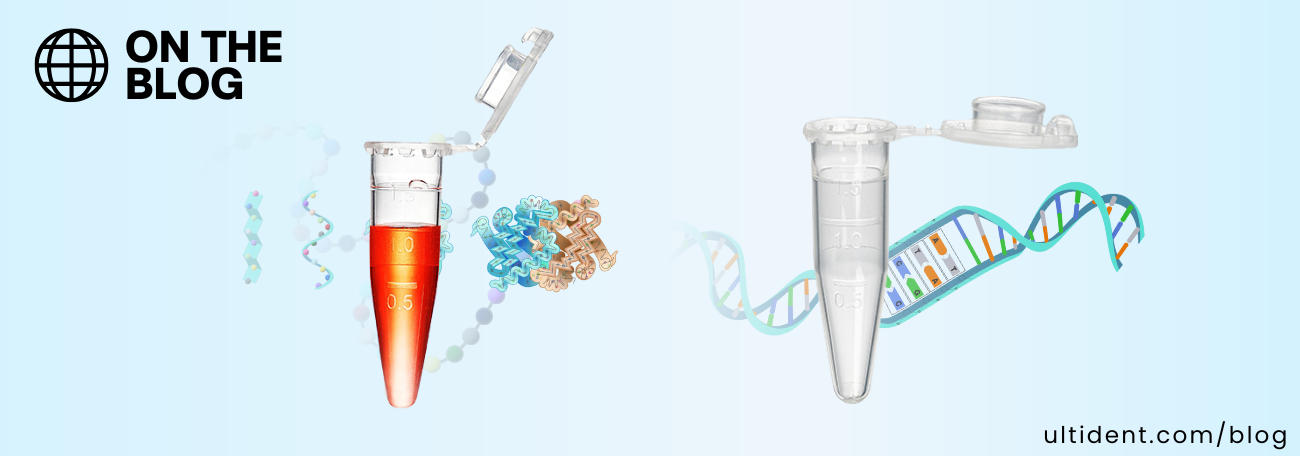
If you’re already familiar with low-retention labware, you understand that materials matter. The surfaces your samples come into contact with can influence recovery, consistency, and ultimately your results.
When working with low-yield samples or sensitive assays, recovery becomes especially critical, and even small losses can impact data quality or repeatability.
Ultra-low binding microtubes are a practical choice for applications that demand optimal sample recovery, particularly in low-concentration or molecular workflows.
Low-retention tubes reduce liquid hold-up, helping ensure more of your sample is dispensed accurately. Ultra-low binding tubes go further, minimizing adsorption (when molecules stick to the tube’s surface) and protecting what’s inside the tube throughout the workflow. For applications that demand precise control, this simple switch can deliver measurable performance gains.
Sample loss isn’t always visible, but it adds up. Adsorption to tube walls during storage, mixing, or centrifugation can compound across a workflow, especially when starting concentrations are already low. Ultra-low binding materials help protect your sample throughout the workflow, not just during storage.
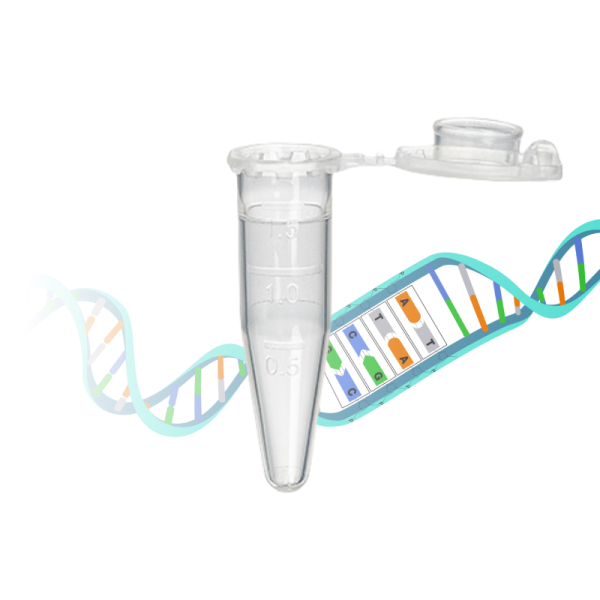
Ultra-low binding microtubes are ideal for samples that are low in concentration, high in value, or particularly sensitive to loss such as DNA, RNA, or proteins
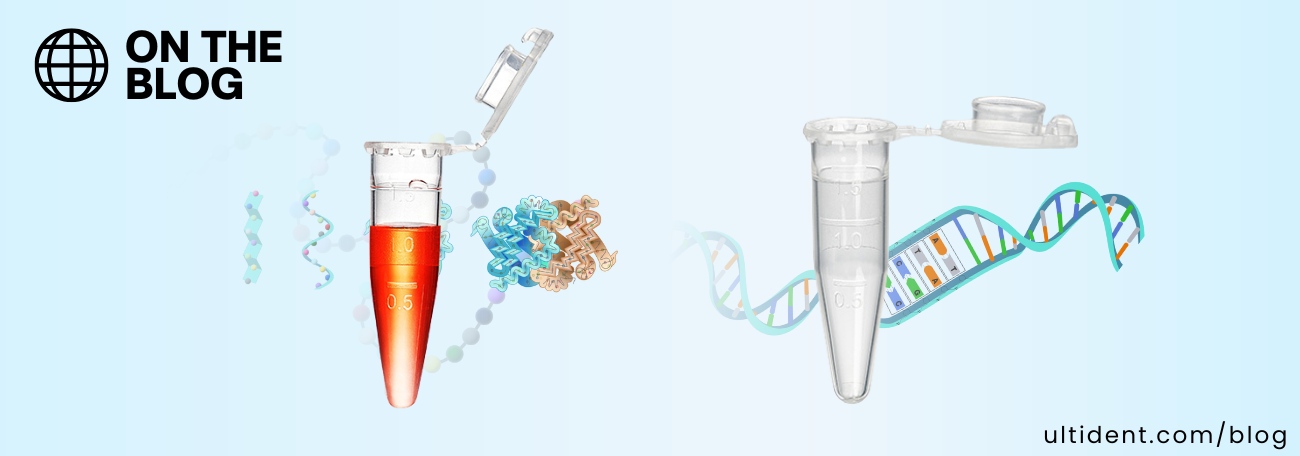
To support different applications, PROGENE® Ultra-Low Binding Microtubes are available in two specialized formulations, each engineered to minimize adsorption at the molecular level.
Designed to preserve every DNA molecule for accurate, high-purity results, this formulation is ideal for researchers and labs working with nucleic acid workflows, including:
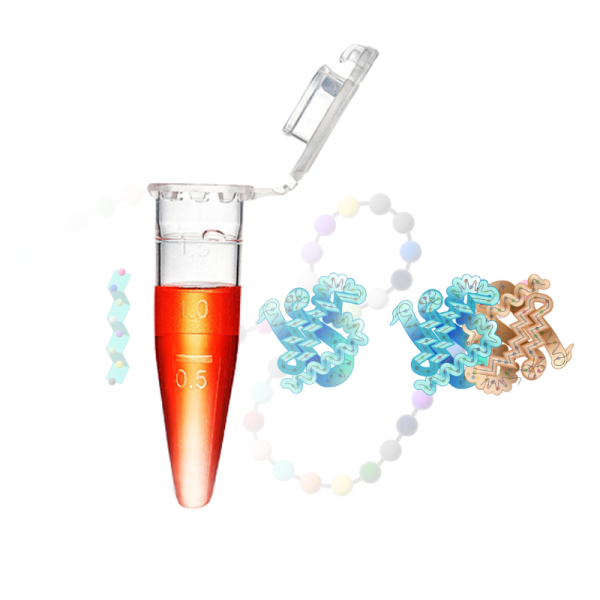
Engineered to minimize protein adsorption and support near-complete sample recovery, this formulation helps maintain protein concentration, integrity, and reproducibility. It is designed for researchers and labs whose workflows involve proteins and peptides, including:
Beyond materials, PROGENE® Ultra-Low Binding Microtubes are built for everyday lab use:
And importantly, making the switch doesn’t mean paying more. Our ultra-low binding tubes are priced competitively, making improved recovery an easy decision. Contact us to learn more or discuss your application.
When your results depend on what happens at the molecular level, PROGENE® Ultra-Low Binding Microtubes can be a simple switch that helps ensure your samples, and your data, stay consistent and dependable.